MAADI'S ECLECTIC VILLAS and their stories
from the book “Maadi, 1904-62; History & Society in a Cairo Suburb”
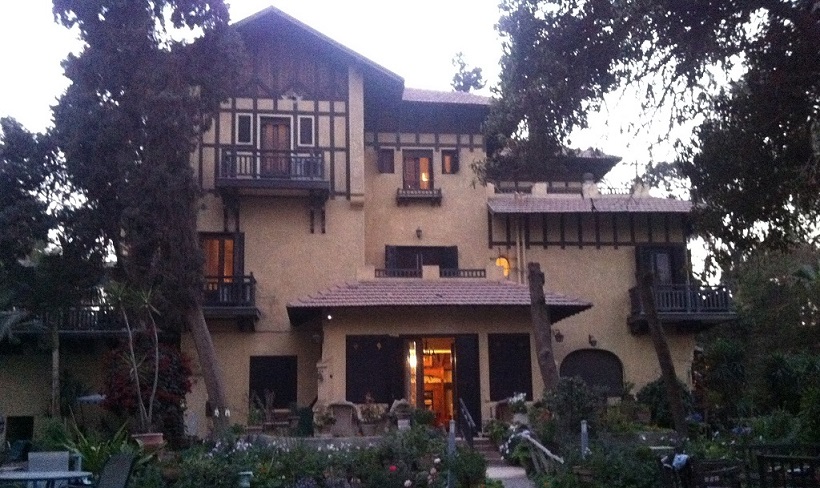
One of Maadi's loveliest villas on Road 83 named after its last occupant Dr. Fathi Loza, the late director of Behman
Hospital/Sanatorium in Helwan. It is now home to his widow Francine Behman and his son prominent psychiatrist Dr. Nasser
Loza. The villa's original owner was leading Cairo dentist Dr. Isaac Gershon who hailed from Central European shtetl
shortly after WW1.
The villa is sometimes nicknamed 'House of Spades' in view of the repetitive telltale motif, which adorn most of its
shutters.
Architect: Max Perdikides
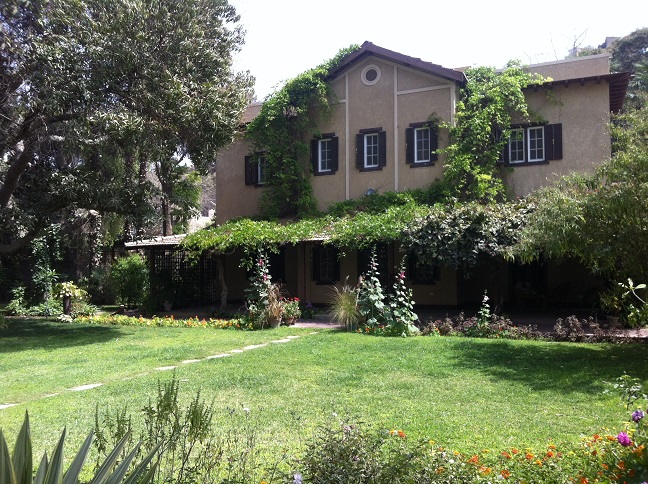
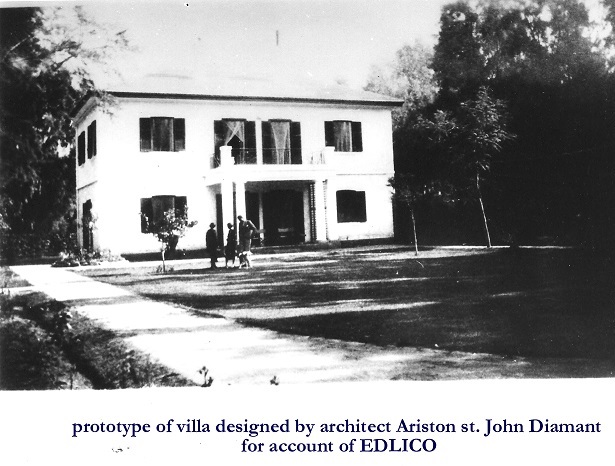
One of Maadi's earliest villas (1909) belonged to civil engineer Erwin Adolf de Cramer from Mittle-Europa by way of Smyrna
(Izmir). He lived there for three decades with his Italian musician wife Lucia Adamoli tending to their wonderful one-acre
garden known for its unique Bougainvillea . Following Erwin de Cramer's death in Alexandria on 13 May 1944 it was a matter
of time before the villa was sold. Purchased circa 1946 by Turco-Egyptian agricultural engineer Nihad A Kholoussy, he
lived therein with his German wife. The last occupant of the villa was Nihad's widow Souza Fawzi and her lovely daughter
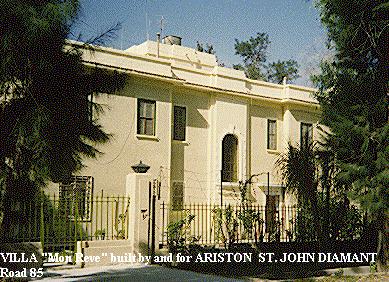
Sanya H El Aroussi. Villa architect: Ariston St. John Diamant.
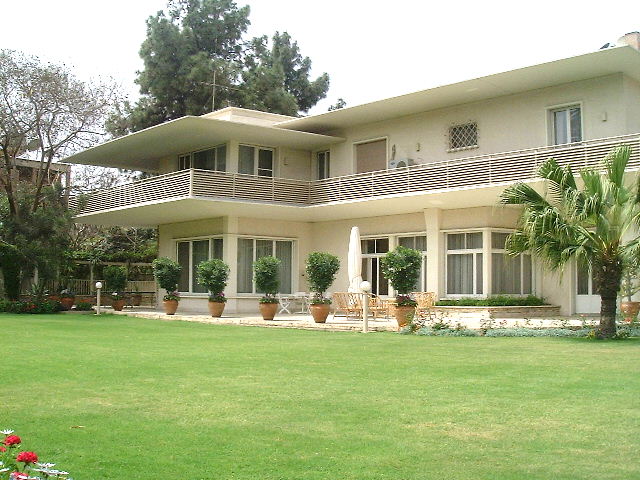
Swiss Embassy residence "Villa Emil Klauser" corner of Roads 84 and 13 designed by Marc Acatos using the flat slab
technique for account of a senior director of the Portland Cement Company in Torah. Sold to the Swiss Embassy in the 1960s
it became the residence of reference for all subsequent Swiss ambassadors starting with Daniel Gagnepain.
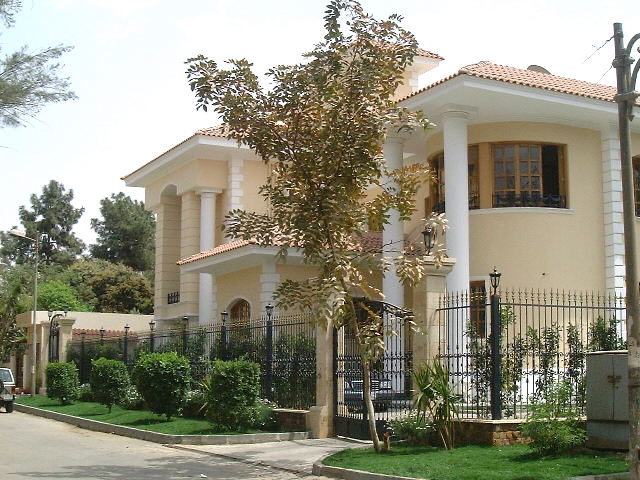
Villa Dr. Alaa El Zayat on Road 84. The original villa belonged to a member of the Mahmoud Sidky Pasha family whose
relation, minister of public works Ibrahim Karim Pasha, lived next door his villa occupying the triangle fronting roads
Mustafa Kamel, 84 and 15 and which is today totally abandoned.
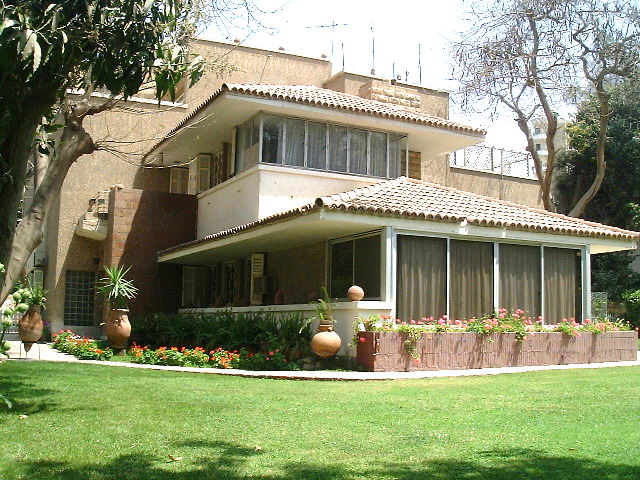
Villa Raafat on Road 84 designed by architect Yehya Mustafa in 1949 saw turbulent days when leading jurist Dr Wahid Raafat
was placed under house arrest for persistently contradicting Gamal Abdel Nasser on a constitutional and foreign policy
issue. Hence, for the duration of 1957, Villa Raafat was guarded by Nasser's police with access by permission only.

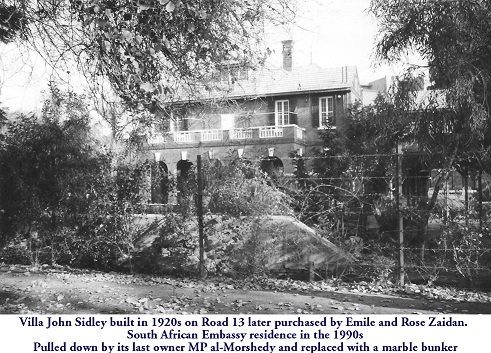
Sidley Manor on Road 13 built for leading British accountant John Sidley in the late 1920s would later be sold to press
baron Emil George Zaidan and his wife Rose. In the 1990s it became the South African Embassy residence before its most
recent owner, an MP and contractor, pulled it down in 2009-10 replacing it with a new-rich marble folly.
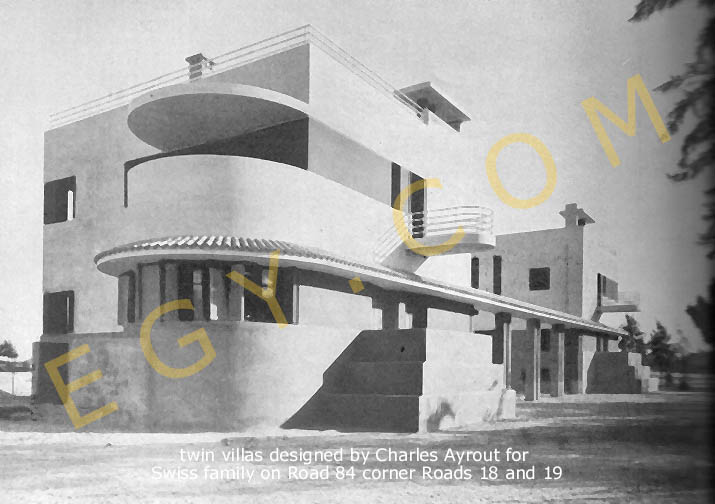
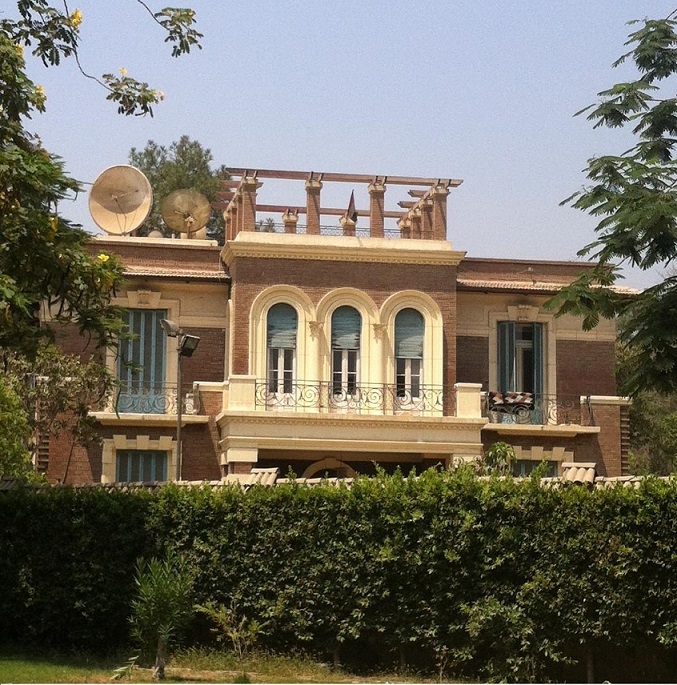
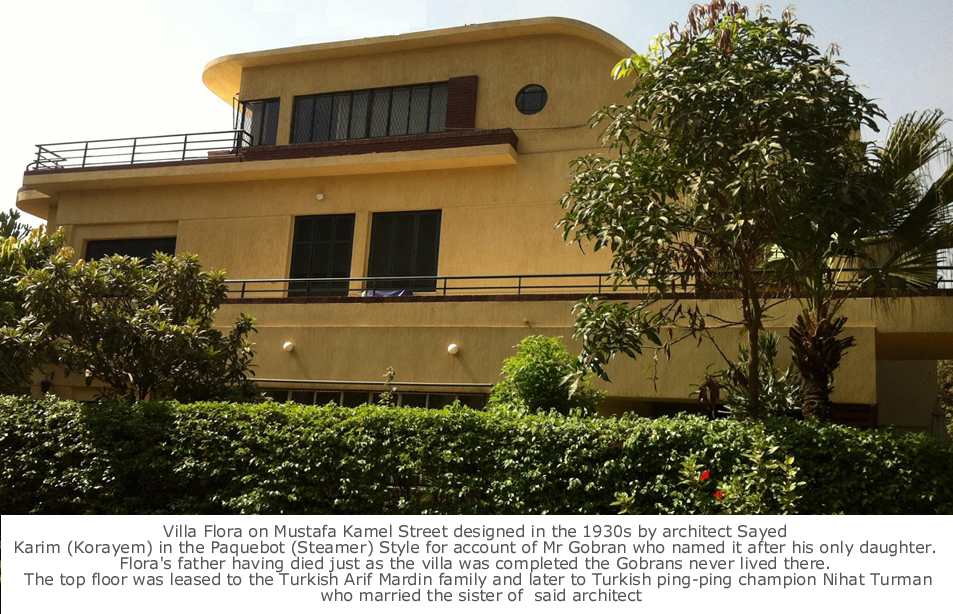
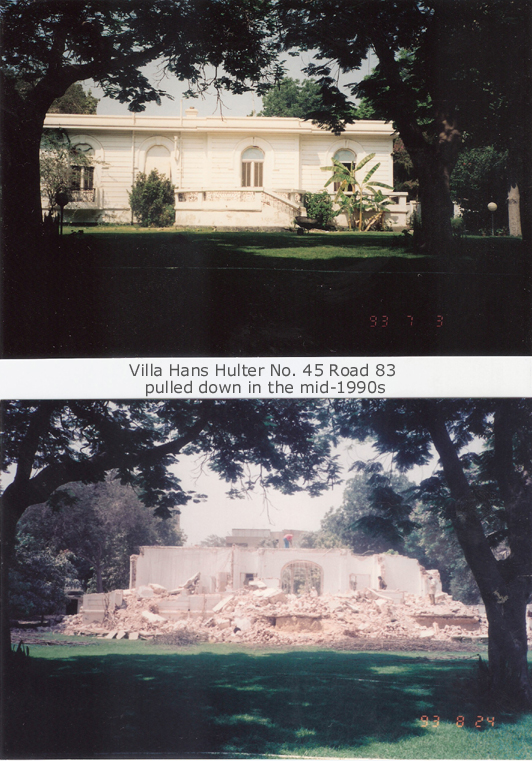
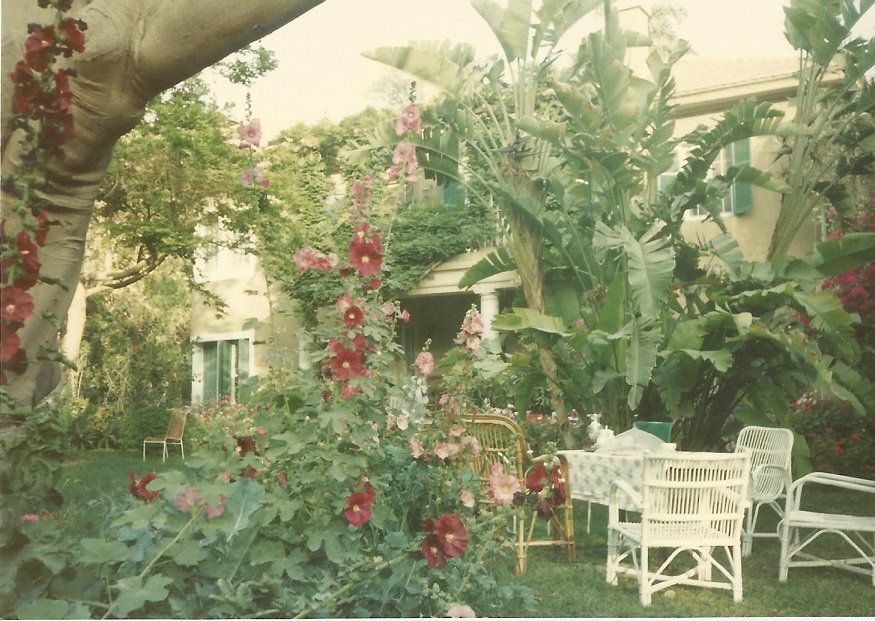
Years later the villa was sold to jurist Amin Abbas al-Mahdi who later headed Egypt's Conseil d’Etat, the highest judicial body in the land. When he moved back to Manial with his wife Shatsi, al-Mahdi often leased his house to foreign diplomats. By far the most entertaining were the Argentinian Vera-Ortiz family. Together with their parents Katcho and Anneken, the Vera-Ortiz siblings Sasso, Carlos (Cai), Alberto (Beto), Patricia (Pati) and Gonzalo formed Maadi's finest musical band between 1968-71. Their garden parties were second to none. Herself a gifted artist, Anneken captured some of Cairo's bucolic scenes on canvas.
In the mid-1990 the house was cruelly pulled down so that the remaining footprint together with the adjoining garden made way for a totally disproportioned edifice which is still with us today as the Republic of Korea embassy residence.
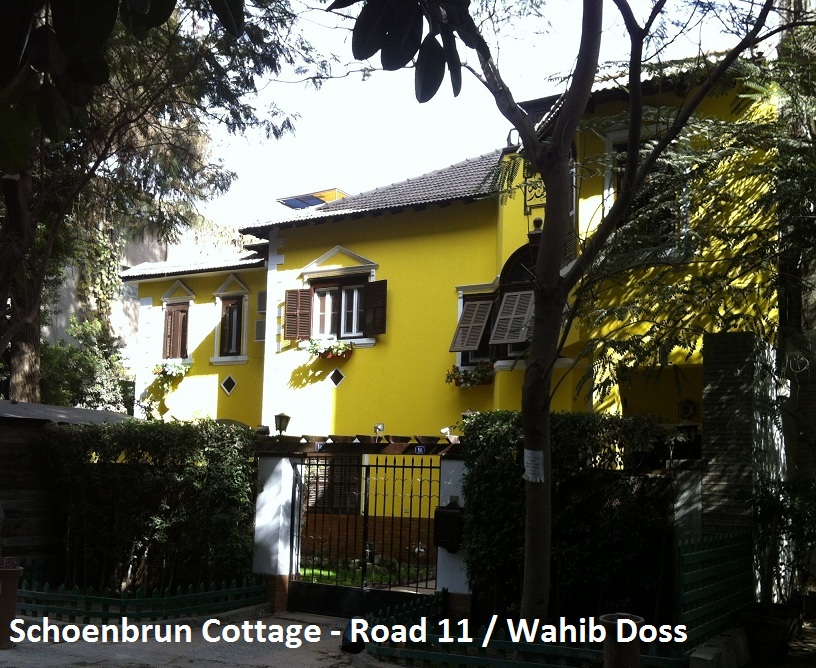
colors allegedly inspired by Schoenbrunn Palace outside Vienna, Austria. The present owner (2012-3) and long-term Vienna resident painted the exterior of his Maadi villa in shades of lemon.
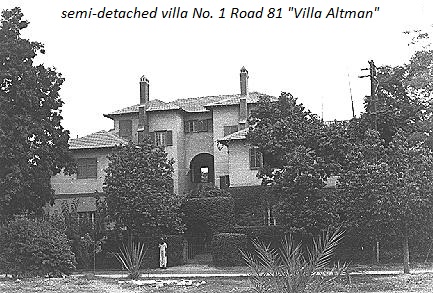
One of Maadi's earliest villa it was named after its first occupant Richard Altmann who hailed from Central Europe. Importing pumps from Germany he converted from Judaism to Islam and formed an Egyptian family after separating amicably from his first wife Fanny Lifschitz whose father Paul Lifschitz owned a dozen or more properties in Maadi. Fanny's paternal aunt Elizabeth "Lotte" Altmann was Stefan Zweig's second wife and his partner in suicide in Petropolis, Brazil on 23 February 1942. Assimilated liberal Jews they felt the world had turned on its head and decided they no longer wanted to be part of it.
Fanny and Richard Altmann are buried in the interdenominational German Cemetery near Malek al-Saleh underpass, Old Cairo.
THE FOUR MIZRAHI VILLAS
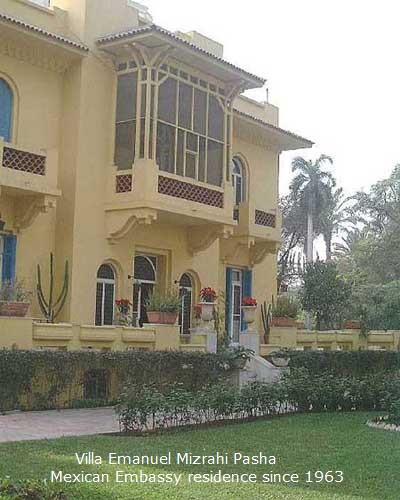
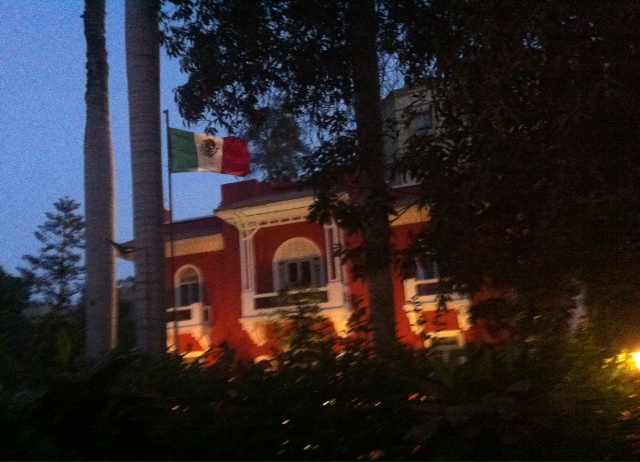
MIZRAHI VILLA 1: Villa Emanuel Mizrahi Pasha on ex-Mosseri (Orabi) Square belonged to history's last Jewish pasha. In the early 1960s, in order to save it from a government takeover, the pasha's daughter leased it to the Mexican government. The first Mexican ambassador to live there was Jorge Castaneda who was subsequently his country's foreign minister and noted jurist.
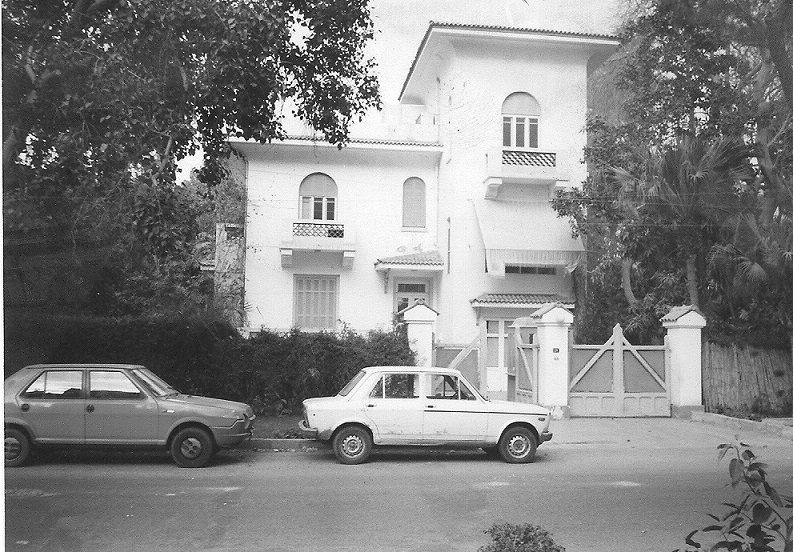
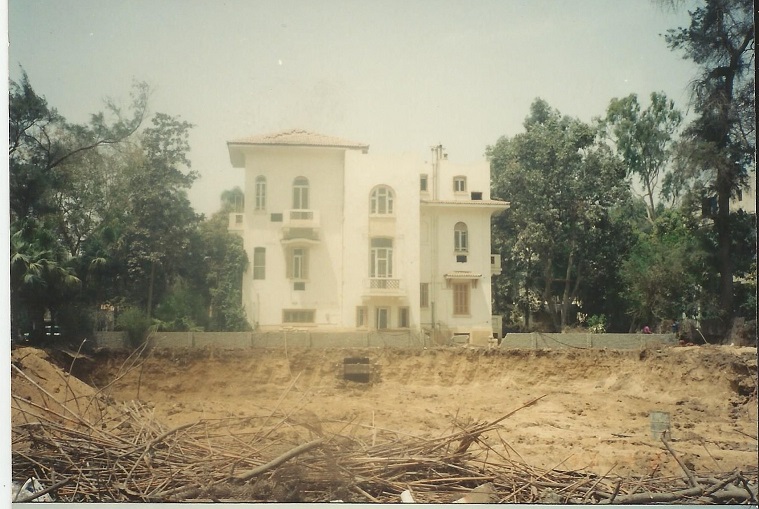
MIZRAHI VILLA 2: fronting Road 18 with its large garden reaching road 81. For several years it was home to Emanuel Mizrahi Pasha's daughter Lydia with her husband Raoul Farahat and their children Indji and Jean.
Sometime residents of this villa included Abdel Aziz Sharara Pasha with his wife Hanaar and their five sons: Ambassadors Eyup, Yousef, Mohammed and engineer Omar and musicologist Tarek; also a tenant in this villa was AUC Professor John Rodenbeck with his wife Buffy and son Max author of Cairo City Victorious. First to go was the villa's garden. Eventually the villa itself was pulled down in 1993. Garden and villa made way for three high rise apartment buildings in the by now proliferating Rocaca style
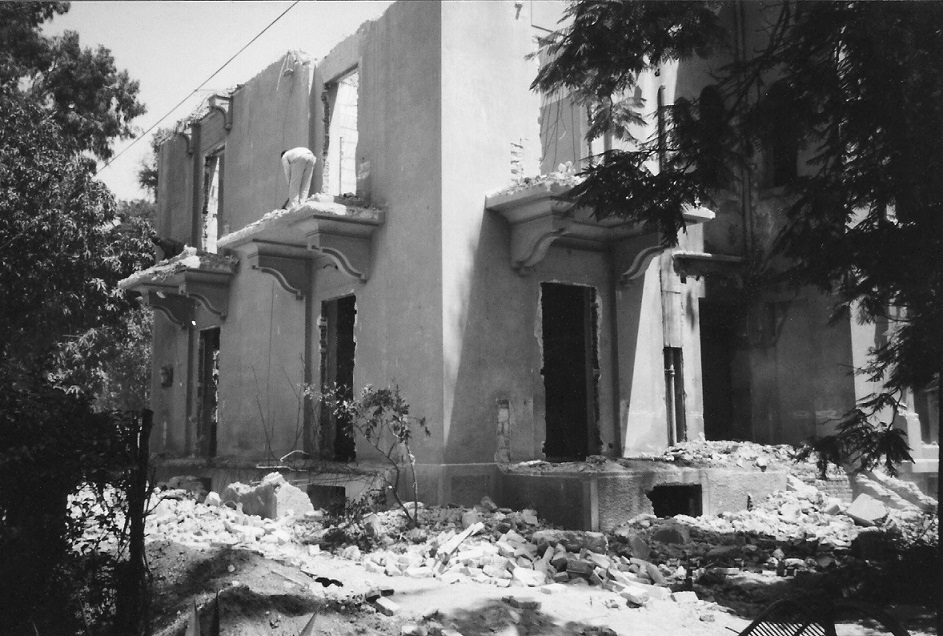
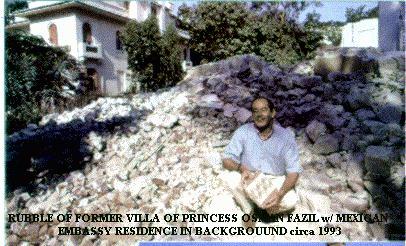
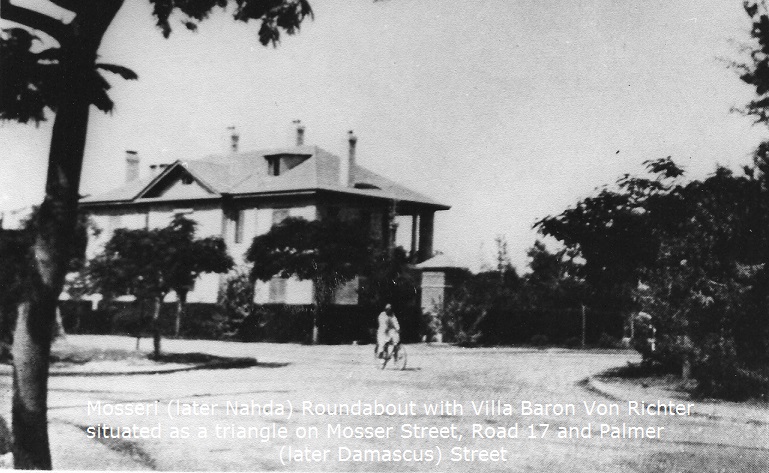
MIZRAHI VILLA 3: following the death of Princess Ulfet Osman Fazil, the long-time resident of this corner Mizrahi villa overlooking Mosseri Roundabout, it remained semi-abandoned having been occupied by squatters falsely claiming to have purchased it from Emanuel Mizrahi Pasha. Lydia Mizrahi's attempts at recuperating her remaining three villas having failed, the illegal squatter sold it to a developer who immediately pulled it down in 1993-4 to make way for an apartment building
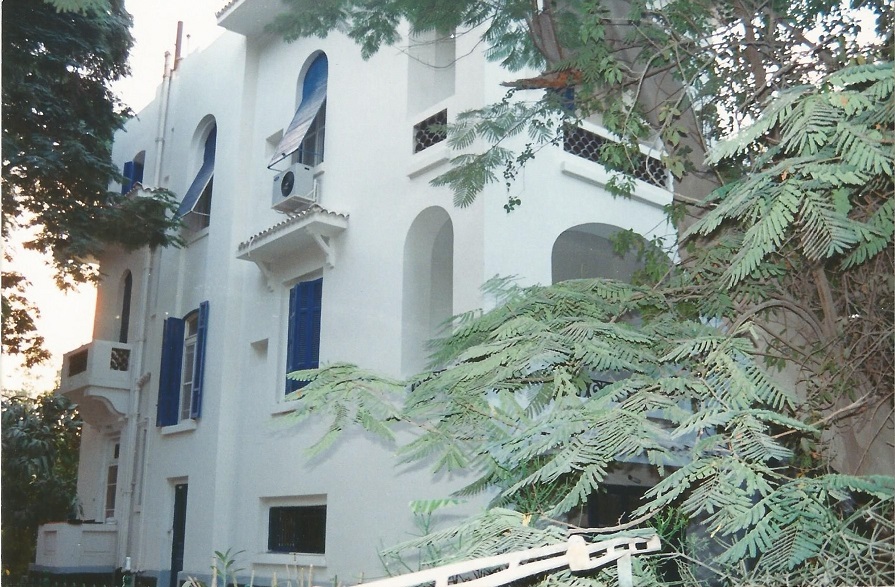
MIZRAHI VILLA 4: The fourth villa which interrupts Road 19 is still with us today leased to the Swiss Embassy. Previous occupants de marque included Seifullah Yussri Pasha and his third wife Princess Zeinab Hilmi and later Ambassador Hussein Rady Bey and his wife Princess Nimetullah Halim and their daughters Amina and Faiza. Later, during the Nasser era, a corrupt woman MP "acquired" part of its garden during and proceeded to construct an unsavory apartment building in the villa's garden.
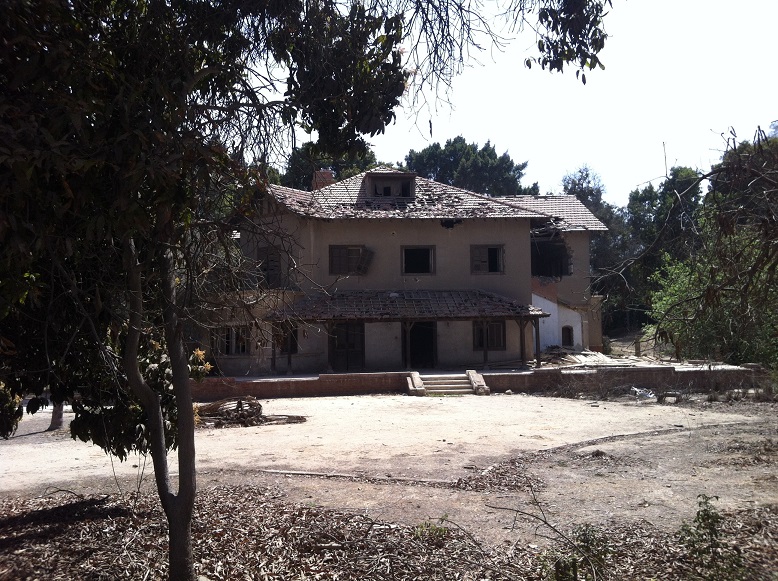
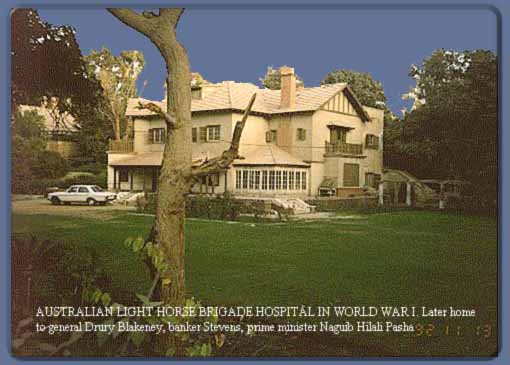
One of the first villas you encounter while driving down Maadi's incoming flyover is the above villa. Hardly anyone remembers its rich history starting with its first occupant General Drury Blakeney the director of the Egyptian Railways. During WW1 it was a hospital for the Australian army. After the war it was home to a British bank director before being purchased by Naguib al-Hilali Bey who would later become famous as Hilali Pasha, King Farouk's last prime minister. Many years later Hilali's heirs sold the villa to a Gulf developer who is obviously waiting for it to collapse so he can build several high rises on this one-acre prime property
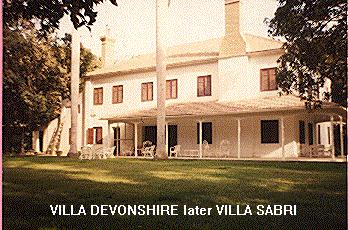
Contiguous to Villa Hilali is Villa Sabry still in pristine shape. Originally this colonial villa was built for a British army officer who was a sometime governor of Sinai. Sold to lawyer Devonshire it became known as Villa Devonshire. Henriette better known as Mrs Devonshire was the legendary scholar-guide famous for her Islamic and Pharaonic Cairo tours, which eventually became the title of her wonderful book "Rambles in Cairo." The villa was sold in 1928-9 to Baligh Sabry Bey who lived and died there along with his wife Dawlat A Chamsi. Their four sons and daughters were 1930-40s swimming/diving/water polo champions at the nearby Maadi Sporting Club, one of them (Omar) representing Egypt at two Olympics. Another (Ali) was prime minister and later vice president of Egypt. The house was sold in 1958 to a member of the Azaam family (Abdel Rahman Pasha) who was the Arab League's first secretary general. His heirs still own the villa today
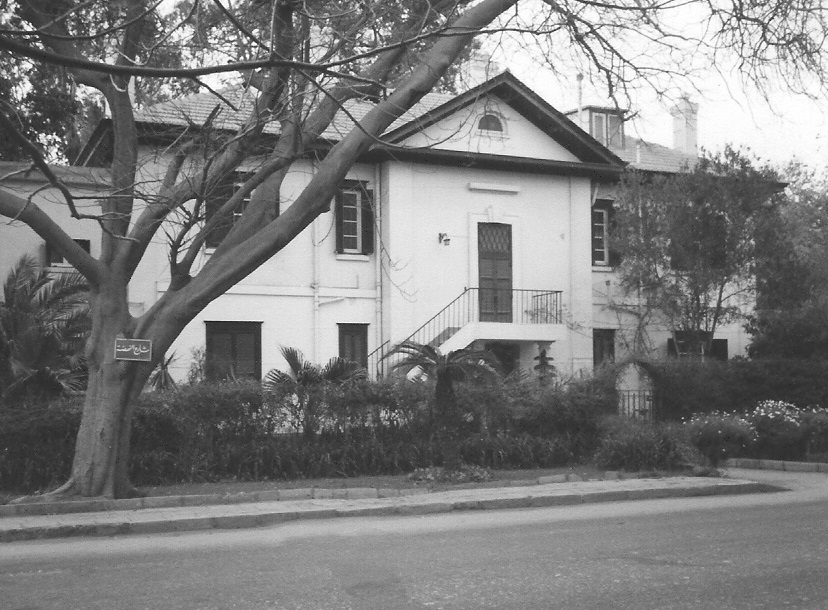
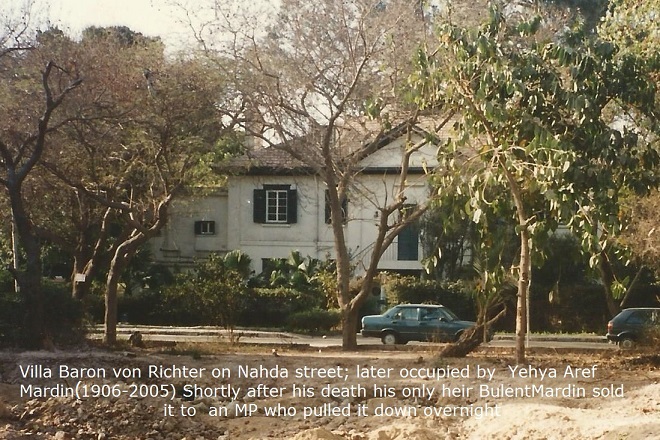


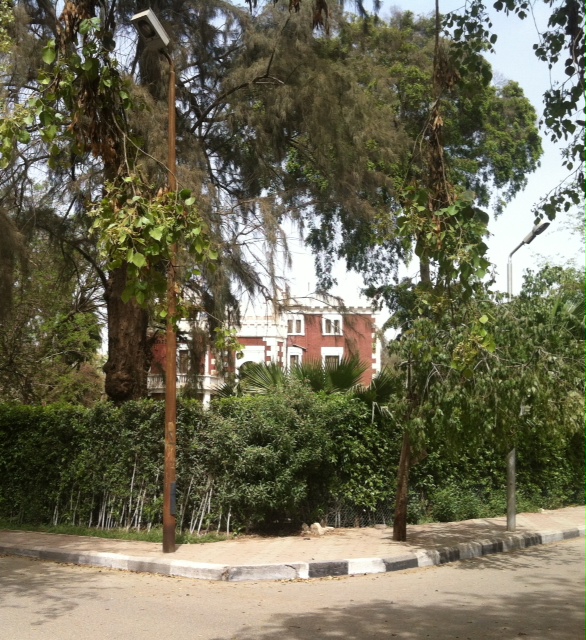
palatial villa at the northern end of Orabi (ex-Mosseri) Avenue constructed for account of Mahmoud Shaker Pasha head of the Egyptian State Railways later sold to Kamel Wassif and much later purchased by the Sudanese Republic which turned it into a residence for its ambassadors
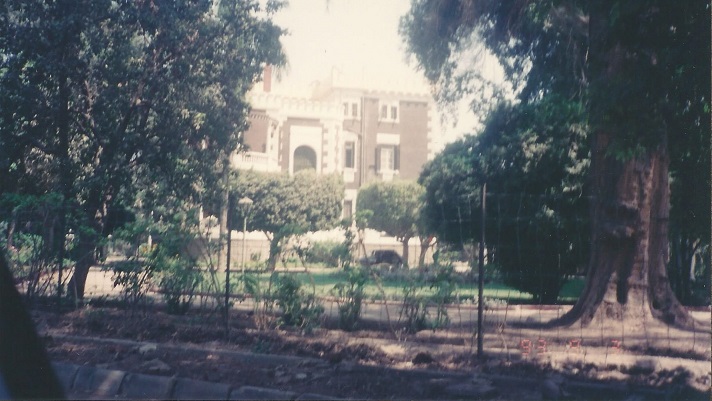
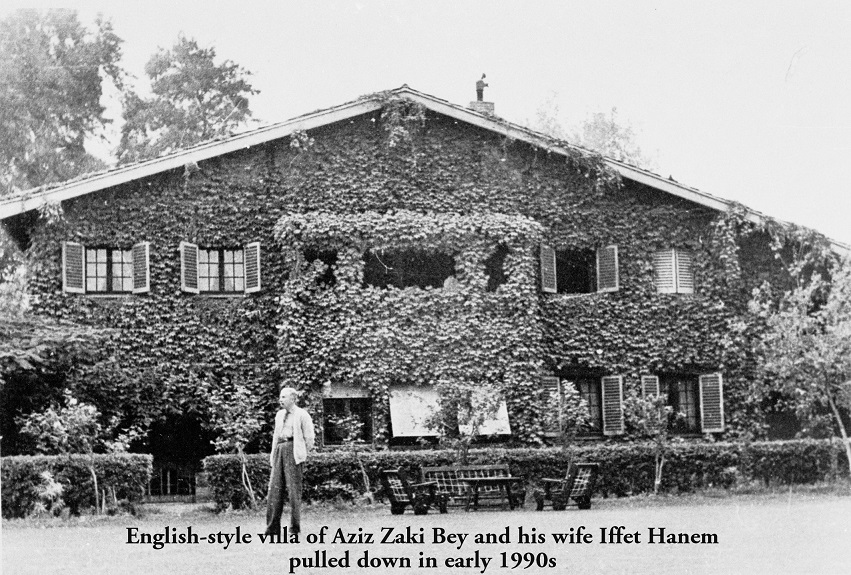
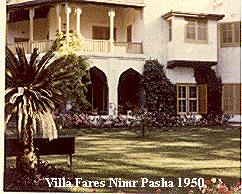
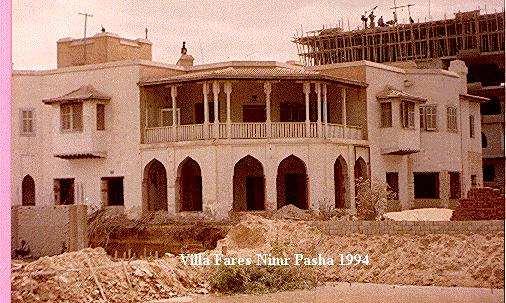
Best reflecting changes that took place in Maadi of the 1980s and 1990s. Al Mukattam publisher Fares Nimr Pasha lived in this pre-WW1 villa with his English wife, his son and daughters including artist Amy Smart and Mrs George Antonious wife of the "Arab Awakening" author being dwarfed by apartment buildings
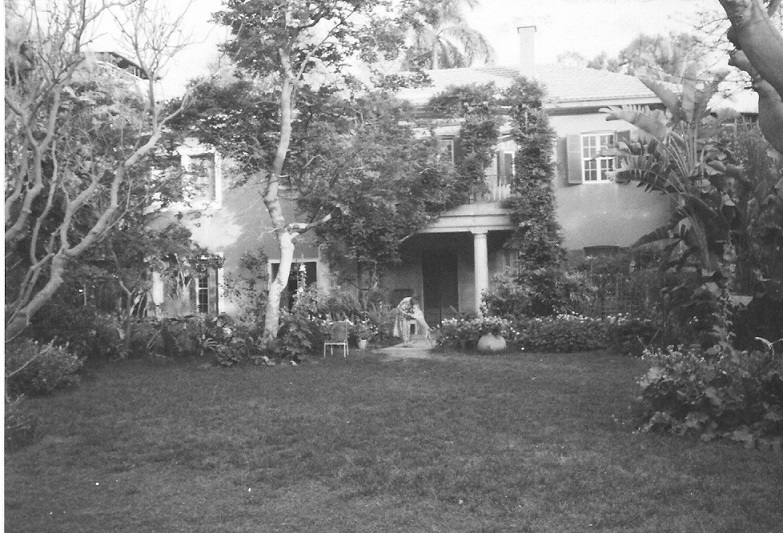
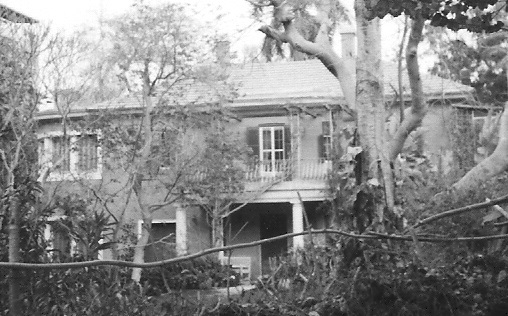
Winner of several annual "best garden" trophies the garden of Moeine al-Arab Bey and his English wife Safeyah (nee Grace Weigal) was second to none. The house was sold by daughters Elham and Souraya in early 2000 and was pulled down to make way for a large uncompleted apartment building fronting Mosseri (Orabi) Avenue
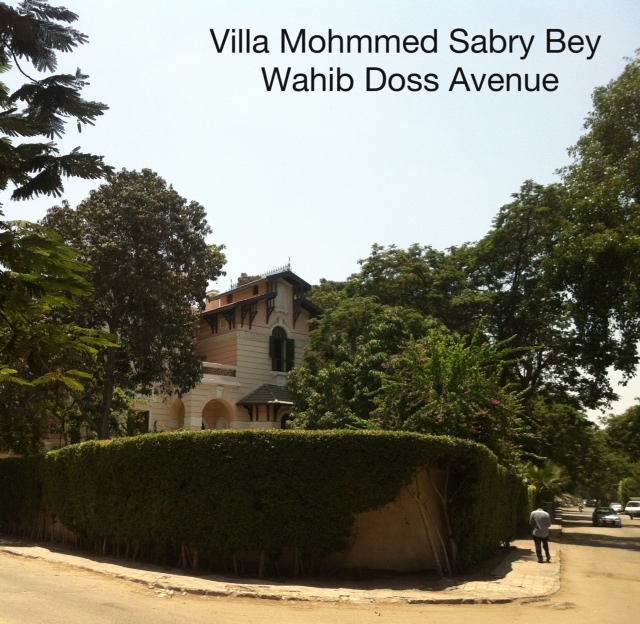
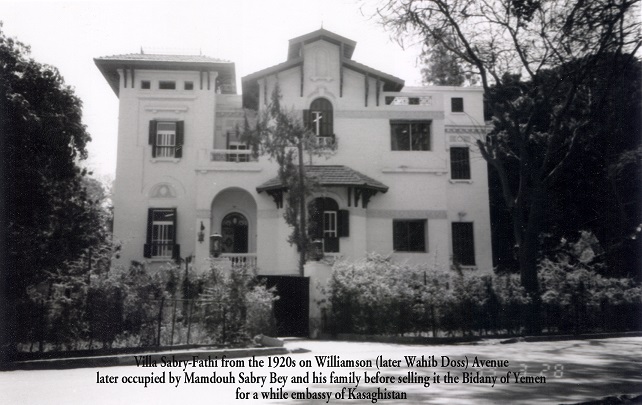
Mohammed Sabry Bey and his wife Samia Fathi Hanim were among Maadi's earliest Ottoman-Egyptian residents. Originally a basement and one floor villa another was added (architect Ali Labib Gabr) to accommodate their second son Mamdouh and his Turko-Syrian bride Galila al-Jabri. IN the 1960s it was purchased by Yemeni exile politician al-Bidani and in the early 2000s it was leased to the Embassy of Kazakhstan
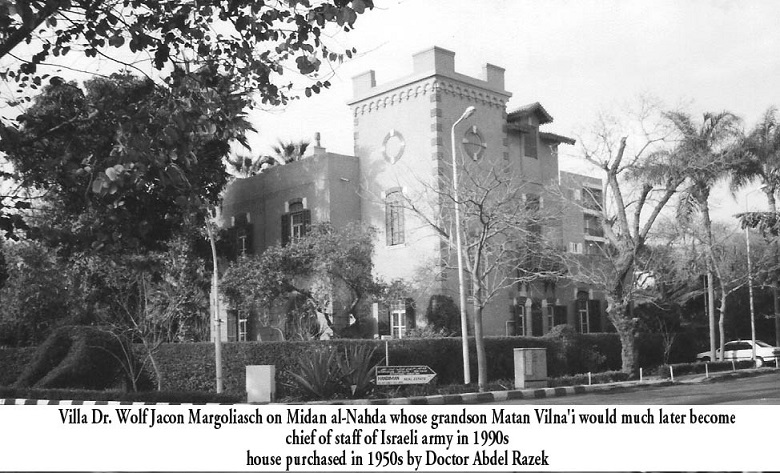

Pre-WW1 house designed by Austrian architect Edward Matasek for himself. In turn it was purchased by the Swiss family Peyer and Khoury Haddad who changed its name from Villa Helvetia to Villa Electra. Its last owner was the American Embassy for account of its diplomats among them a certain Eugene Trone described in political memoirs as a CIA agent. The embassy sold it in an auction in the 1990s. The developer who purchased it built Maadi’s tallest high-rise overlooking Police
Station Square
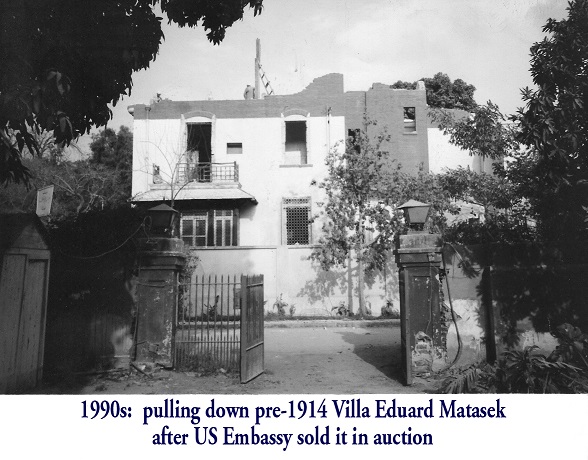
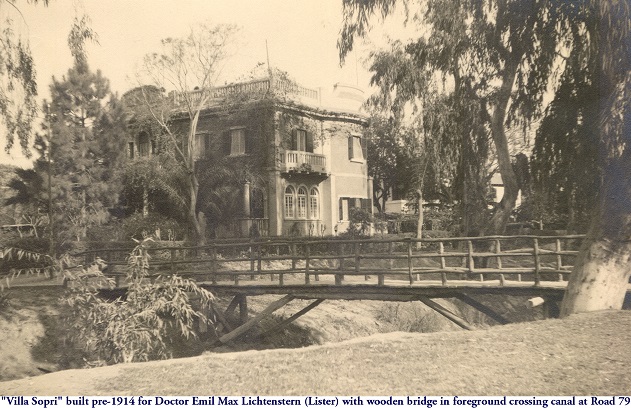
designed by Austria architect Edward Matasek
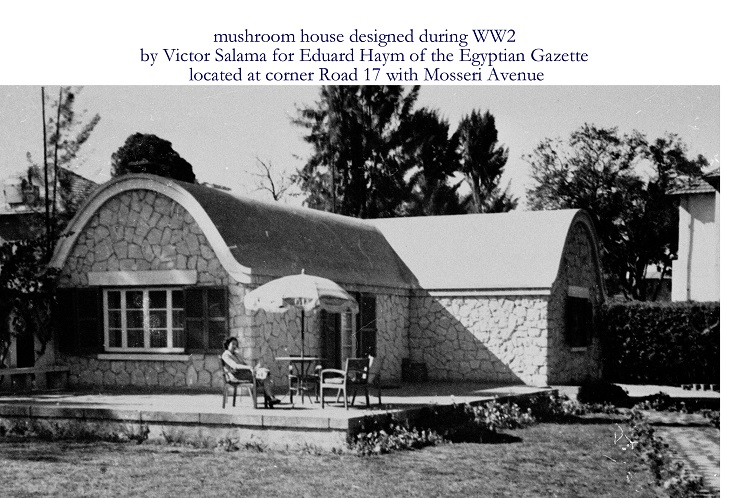
This unique villa constructed during WW2 by architect Victor Salama who alone accounts for a dozen villas constructed in Maadi was destroyed in the 1970s. It was located at the corner of Mosseri (Orabi) Avenue and Road 17
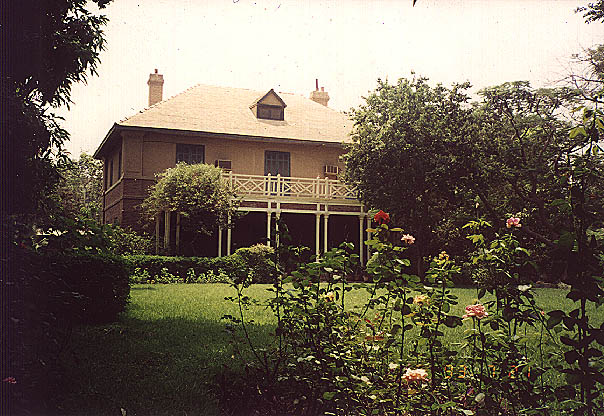
Villa fronting Roads 15 and Mosseri (later) Orabi Avenue occupied in turn by Shirley Dale followed by Mohammed Saiid-Khalifa Bey and his wife Fardos Chirine and later leased by latter to economist Ali El-Gretly and his Scottish wife May with their children Hassan, Laila and Soumaya. Pulled down in 1995 to make way for large apartment buildings
Villa was replica of the one that housed the Secretary of the Gezira Sporting Club for a long time occupied by Fardos Chirine's cousin Major Ahmed Mourad
replaced in 1999 with... (see below)

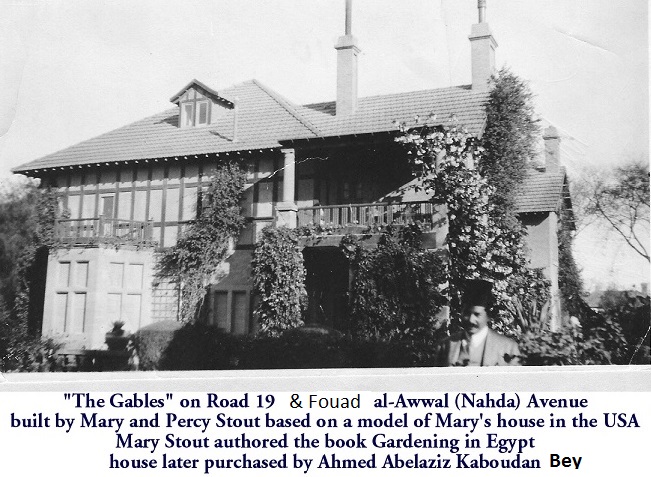
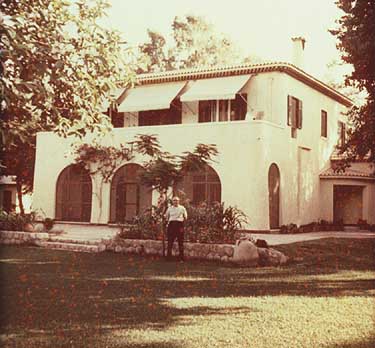
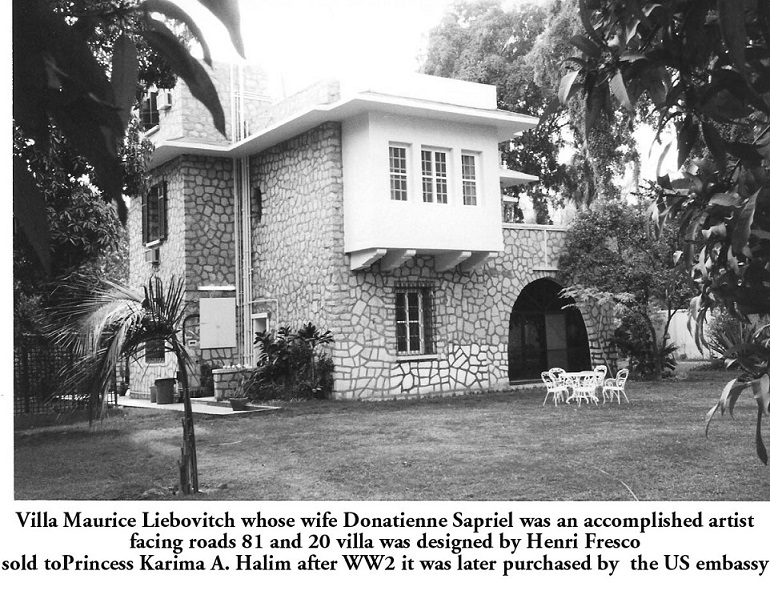
Villa of the Swiss Rolfe Friedrich director of Tora Cement Company and his Belgian wife Rosemarie, a daughter of Sugar Company director Henri Naus Bey. The house was later purchased by the American Embassy and is today known as "Maadi House" a social club for the American Embassy staff and dependents, which is why it looks like a Guantanamo-like annex today with its high security fence
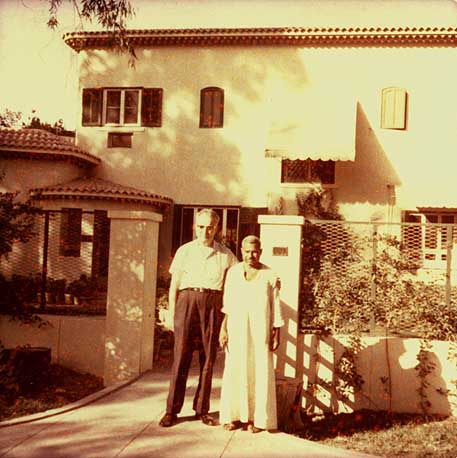
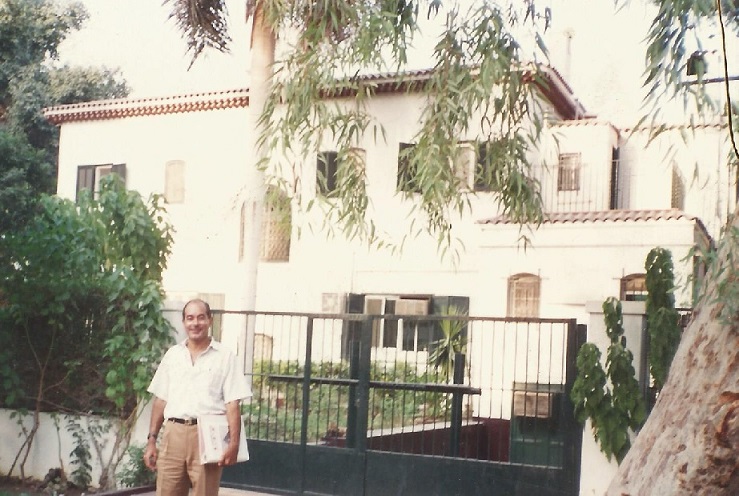
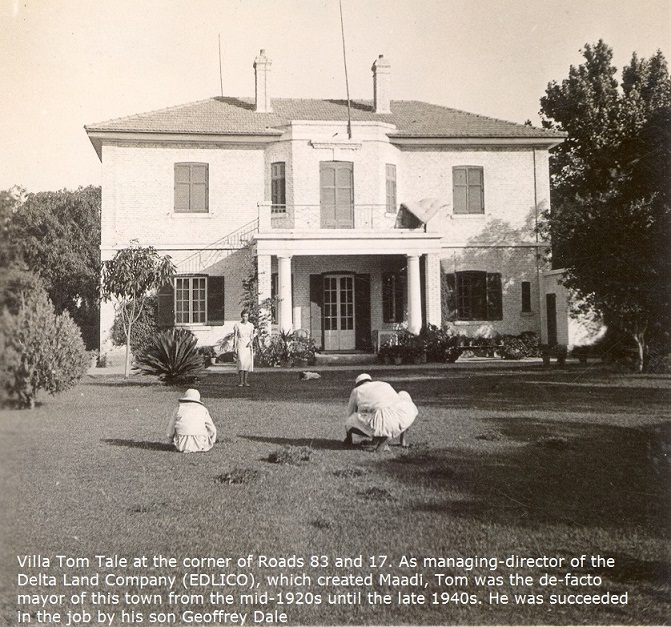
Villa Tom and Geoffrey Dale the long time British directors of the Egyptian Delta & Land Company (EDLICO) which created Maadi. After his departure in 1955 the house was taken over by Free Officer Gamal Salem. Many years later it was replaced by a high rise building at corner of Road 83 & 17
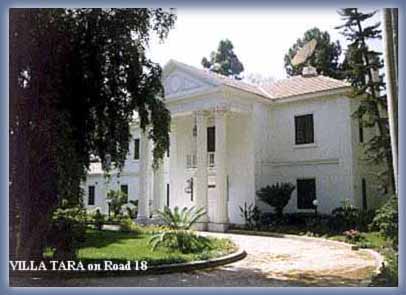
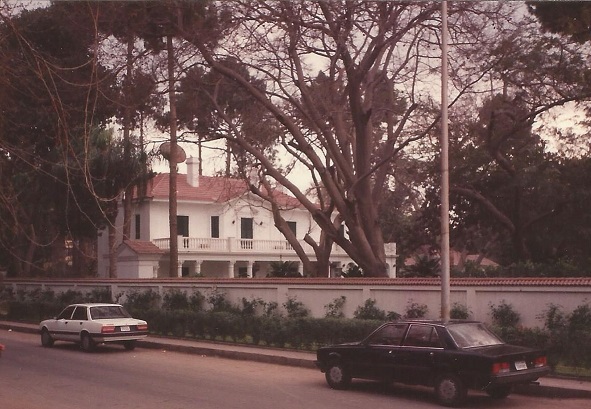
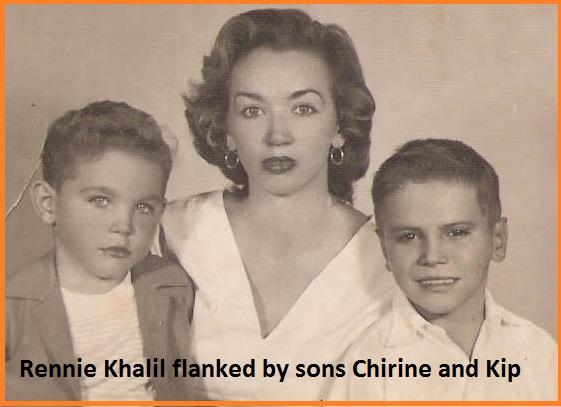
Pre-WW2 villa home of tennis champion Andre Jabes and purchased in the mid-1950s by FAO's Khalil Reda and his American wife Renne with their sons Kippy and Chirine. She transformed it into a Tara (Gone with the Wind) look alike famous for its garden parties. Following the departure of the Reda family the villa was sold to a Gulfie
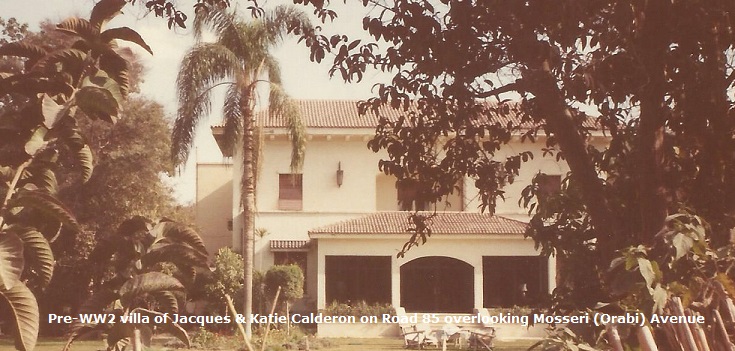
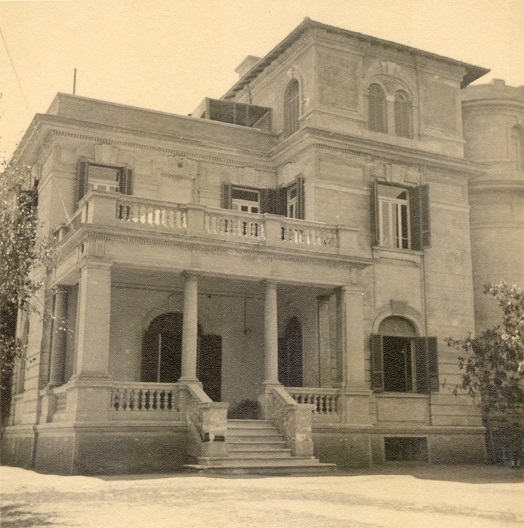
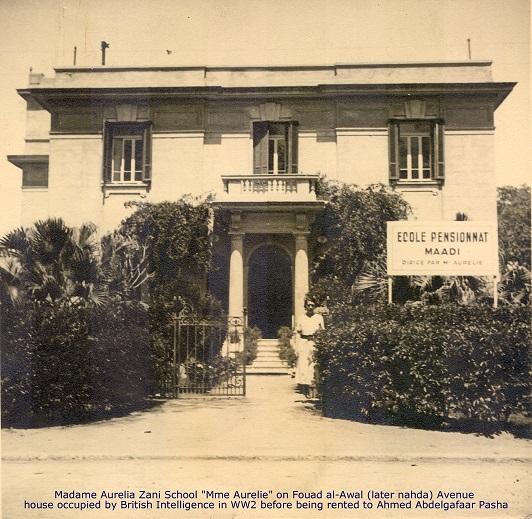
Large manor house on Fouad al-Awwal (Nahda) Avenue which in turn housed Madame aurelia Zani's boarding school and during WW2 was HQ for the British army's Long Range Desert Group--LRDG (forefather of the SAS). In the 1950s until he died the house was leased by politician and minister of agriculture Ahmed Abdel Ghaffar Pasha. The house was replaced with two apartment buildings in the 1990s adjacent to an empty plot of land
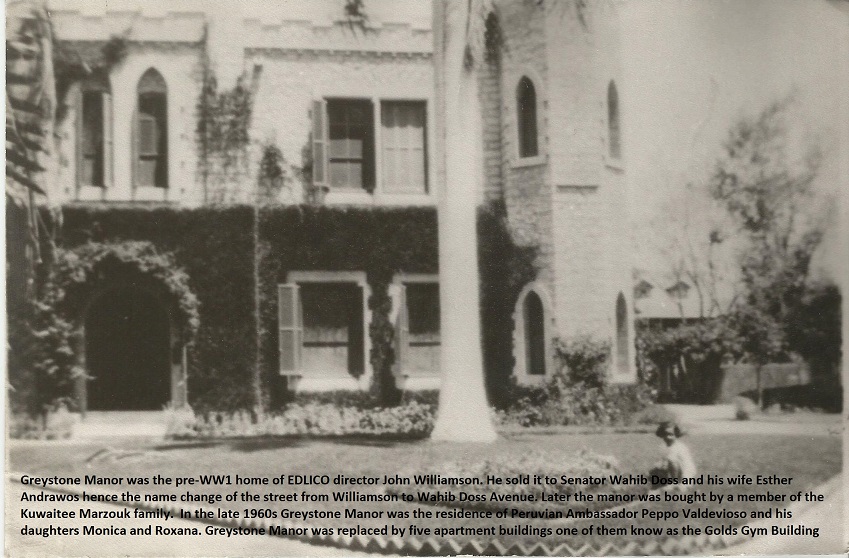
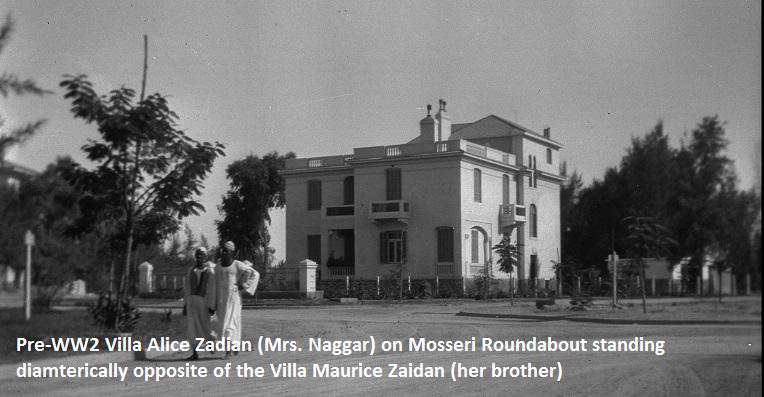
Sons or nephews of famous historian-publisher Gorgi Zaidan, who founded Dar al-HilalSeveral, many of them chose Maadi for their elected place of residence forming the nuclei of the Levantine families in that suburb
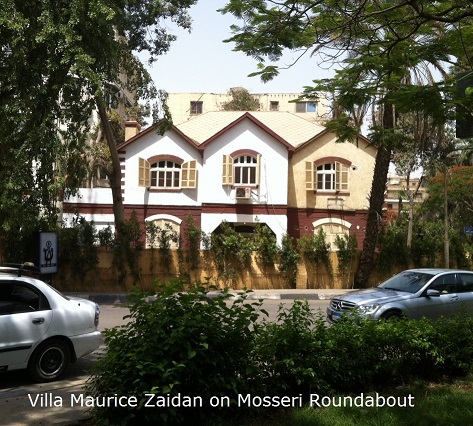
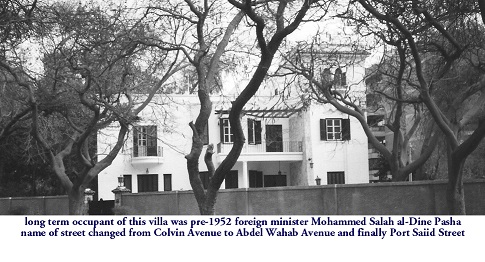
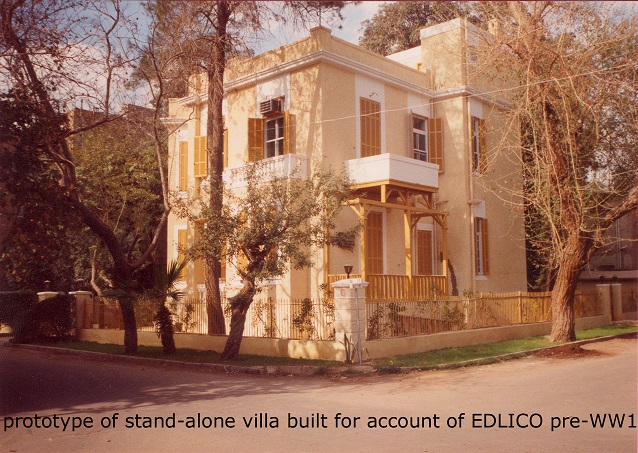
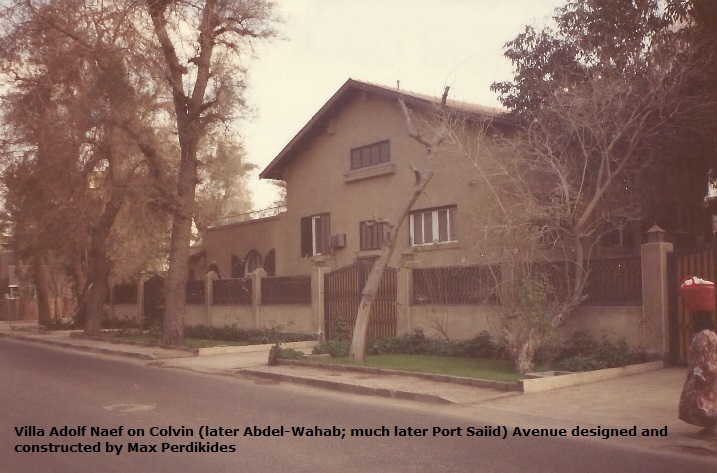
Max Perdikies a prolific Maadi architect with many of its villas designed in his inimitable style
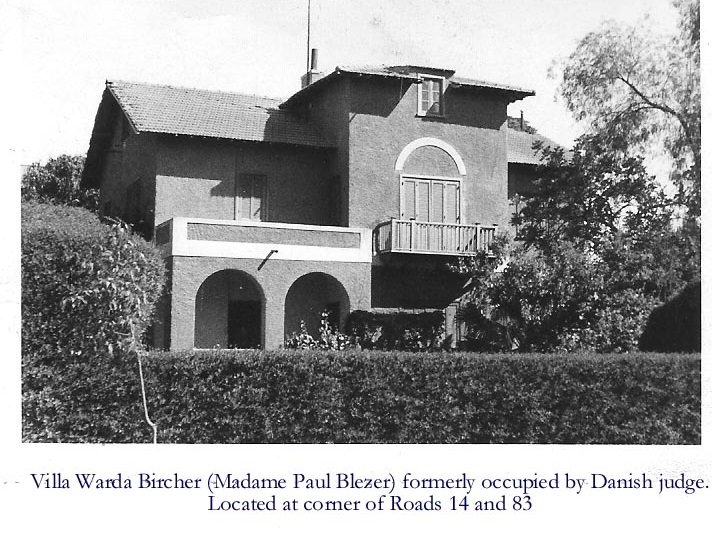
Originally built in the 1920s for Judge Boeg a Danish national this villa became famous with its subsequent owner the Swiss horticulturist Madame Warda Blazer (born Warda Bircher) author of "The Garden of Hesperides" and "The Palm Tree". With her Luxembourg-born husband she tended to her unique Nileside internationally famous botanical garden in al-Saff south of Helwan. Warda lived to the age of 101 becoming the dean of the Swiss community in Egypt and Maadi's oldest resident. Following her death the Villa was acquired by a member of the Akram Oje family of Syria after having been restored by landmark villa collector Youssef Takla (also Syrian).
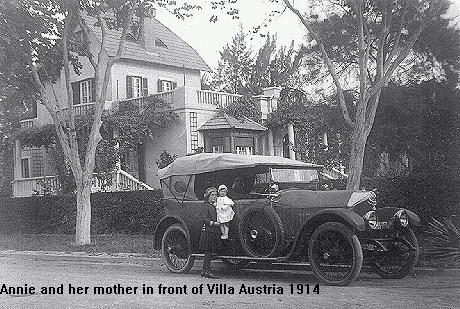
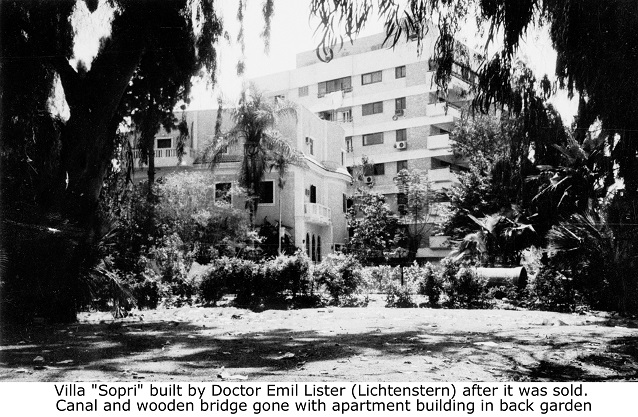
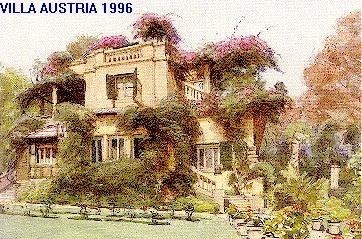
Pre-WW1 Maadi reident Joseph Max Lichtenstern lived had fellow Austrian Edward Matasek design his villa with Karl Schenoja as a contractor. THe Lichtenstern & Harari postcards are fanous the owrld over concentrating on Egypt and the Middle East. These were printed in the Lichtenstern printing house in Bulak. His daughter Annie Gismann lived in the villa until her death in the 1996.
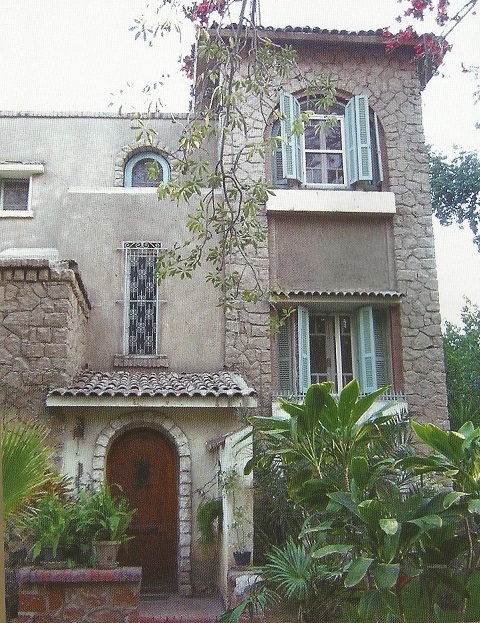
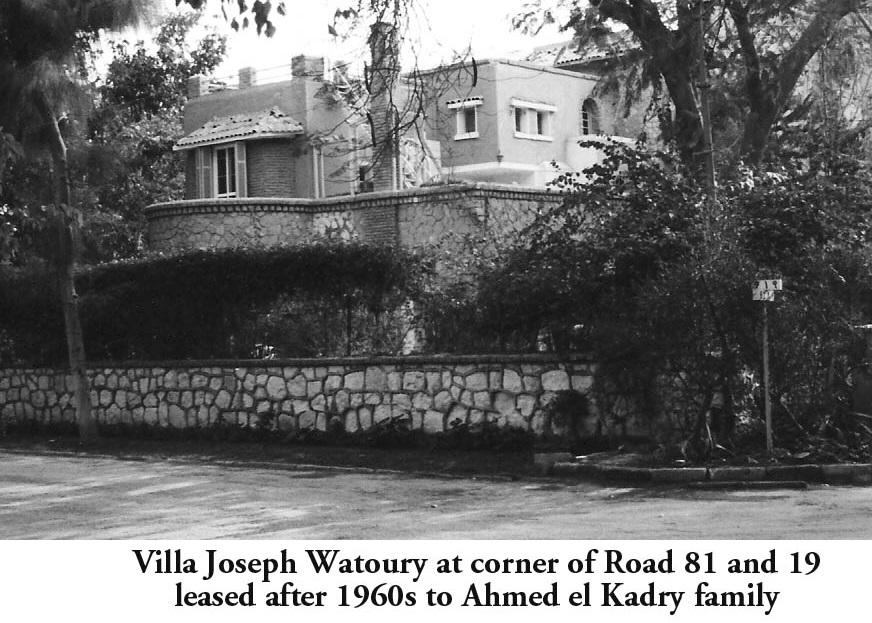
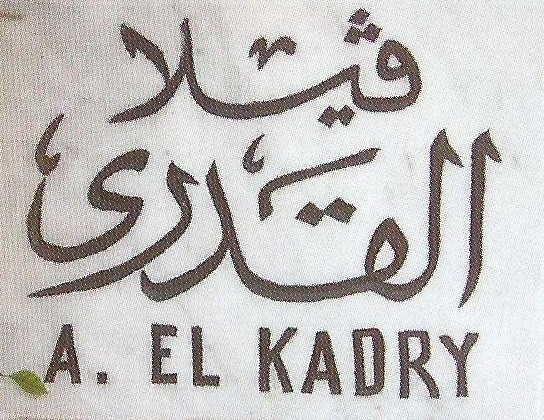
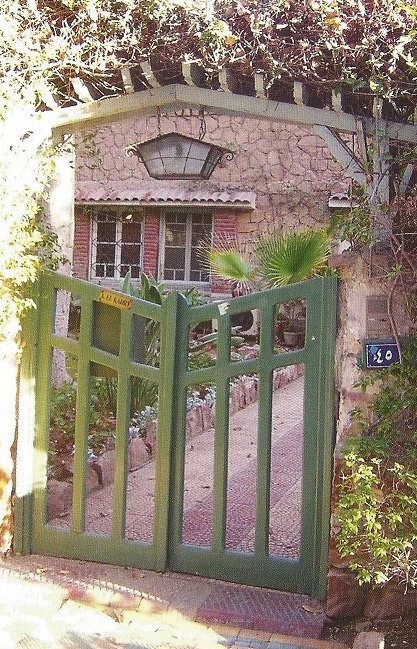
Villa Joseph Watoury on Road 81 corner Road 19. Originally a one-level cottage, Watoury added a second floor when he made Maadi his principal residence. After he left for France in the 1950s the house was leased by Ahmed El Kadry Bey and his Swedish wife Inger. They lived their on a semi permanent basis alternating between Stockholm and Maadi until 2005. The garden was axed in 2009 by the susbequent owner to make way for an apartment building. Thankfully the old villa is still there.
IF YOU'VE REACHED ALL THE WAY DOWN HERE AND STILL WANT MORE CLICK ON MAADI
Warning: include(footer.html): failed to open stream: No such file or directory in /home/egy/www/P/maadi/maadivillas.php on line 367
Warning: include(): Failed opening 'footer.html' for inclusion (include_path='.:') in /home/egy/www/P/maadi/maadivillas.php on line 367